RC Airplane Construction - Flight Testing
- January 12, 2020
Let’s continue our adventure in building a radio-controlled airplane! It will include finalizing the assembly, followed by static tests. We’ll then move on to the test flight, which has a little surprise in store…
The control surfaces are attached to the hinges using NinjaFlex, the servo motors are installed in their compartements, followed by fixing the wing to the fuselage… The printing process had taken less time than the assembly! Once everything is in place, it’s necessary to adjust the travel range of the servo motors. The remote control has an option that allows you to adjust the end points. I’ll finish by adjusting the “exponentials,” which allow you to define the responsiveness of the controls, making them either sharp or gentle.
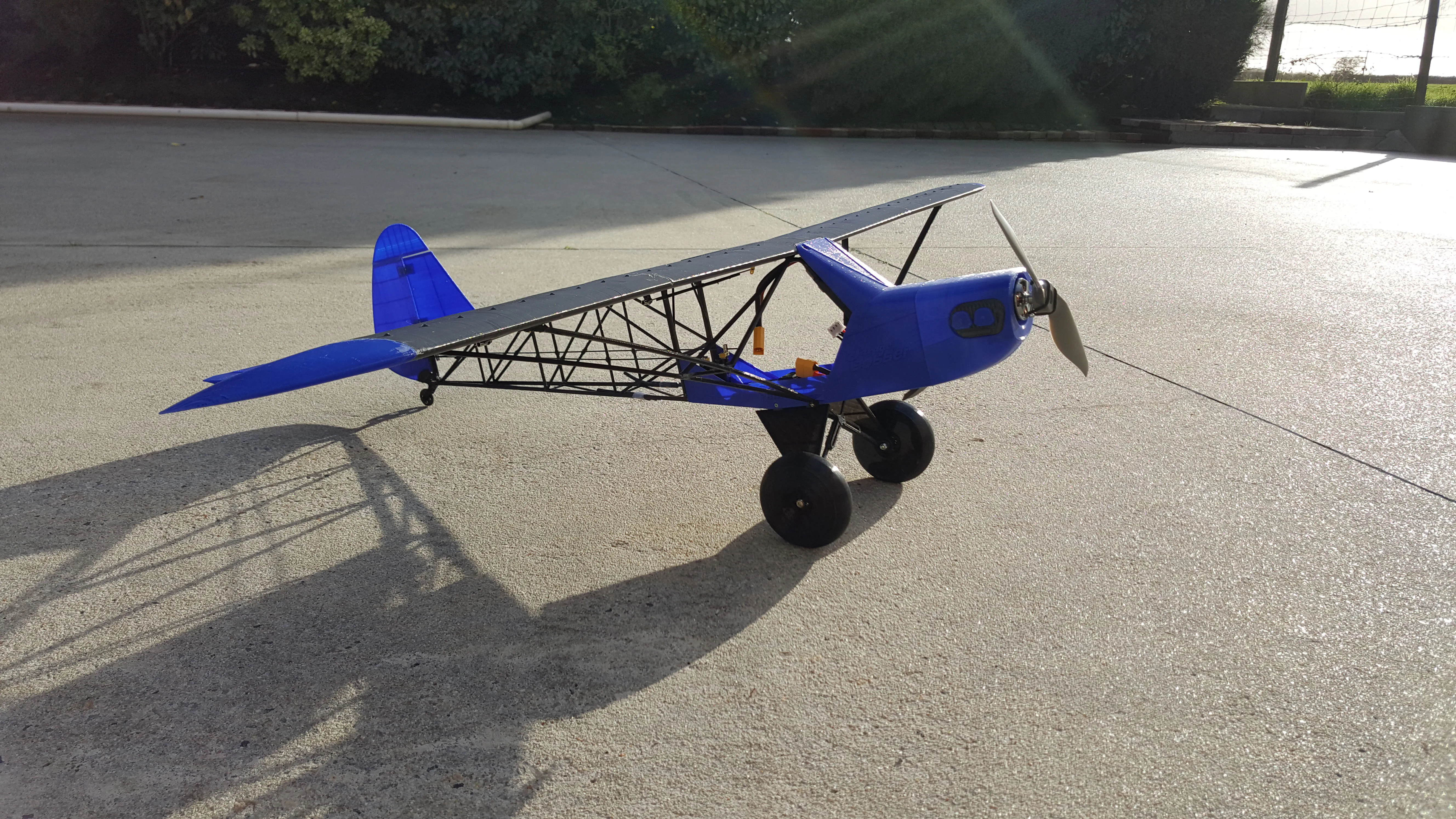


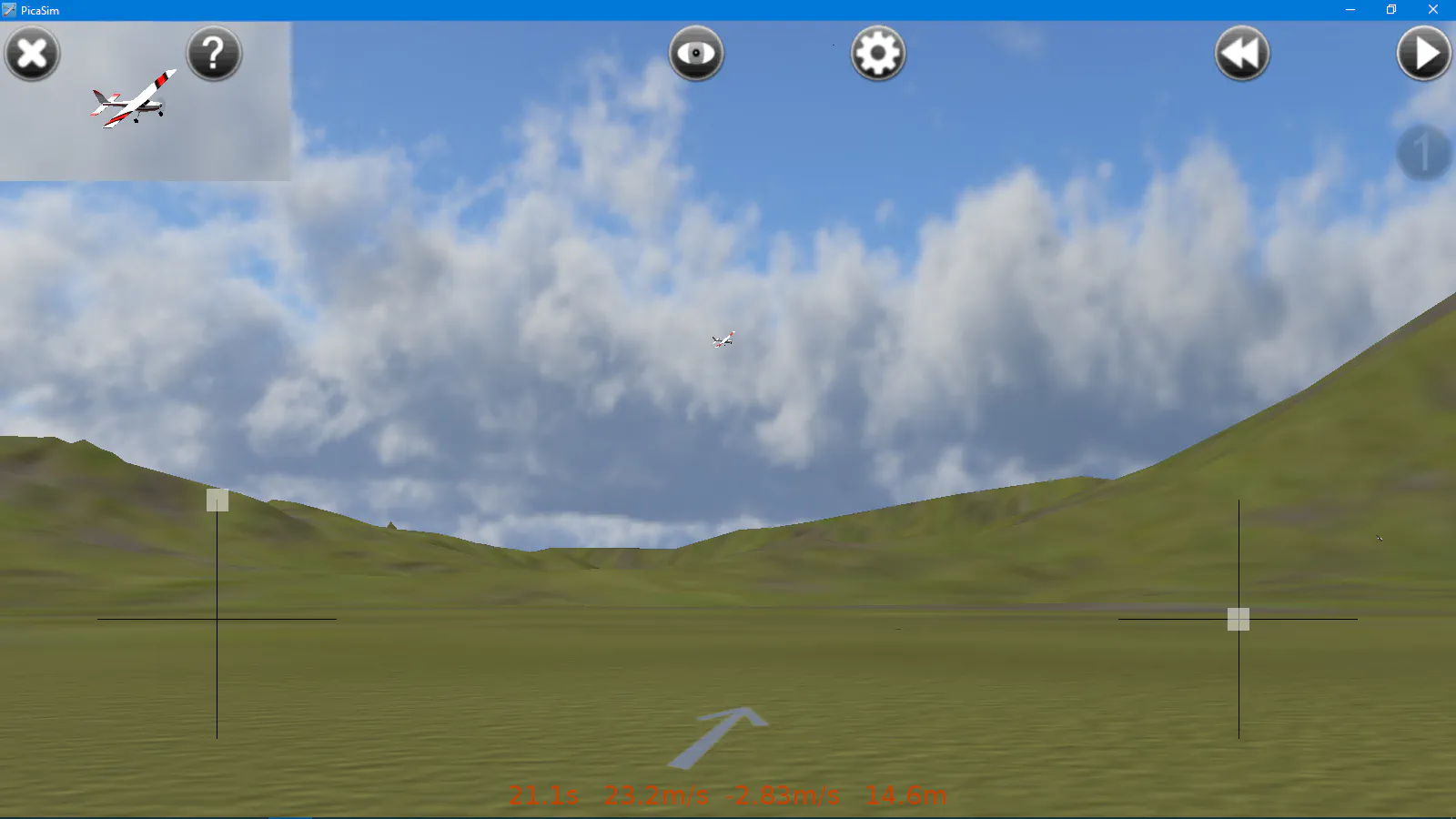
But before trying to fly it, let’s practice on the simulator. Switching from a traditional control stick, elevator, and throttle to two vertical sticks takes some getting used to. After a few resets due to crashes, I’m doing pretty well. Loops, stalls, and even rolls no longer impress me!
The static tests can begin because I feel comfortable in the simulator. The controls are free and in the right direction, the engine tests are successful, so it’s time to taxi on the parking lot! Get familiar with the remote control and the aircraft’s reactions. Then comes the crucial moment! Full throttle, I launch the aircraft into the air. It takes off, then dangerously descends towards the ground. I pull back on the elevator stick, and the airplane rises, just grazing the blades of grass. It gains 5 meters of altitude before veering to the right. I correct, it starts climbing again, rolls over, and the left wingtip hits the ground. The various cracking sounds that follow indicate that I now have a puzzle of plastic and wires!
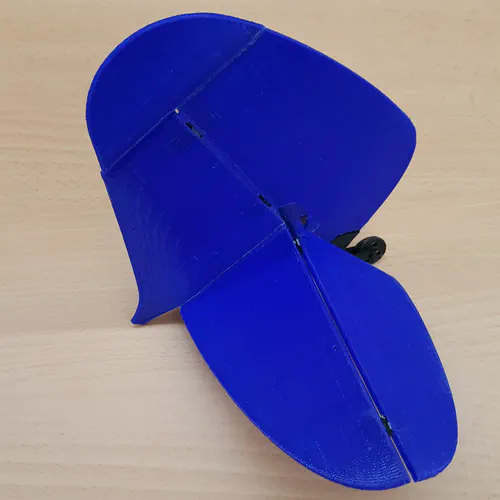
Only the vertical stabilizer remained in one piece, as shown in the photo below.
In conclusion, it is entirely possible to 3D print an aircraft. I have learned the basics of construction and fine-tuning in the field of aeromodeling. All that remains is to perfect my piloting technique!