Night VFR is Awesome!
- August 22, 2019
It was on a cool August night that I discovered night flying with my instructor, Michel, in a DR400. There was no wind, no moon, and no clouds – a true “starry sky storm” to learn how to fly in the dark.
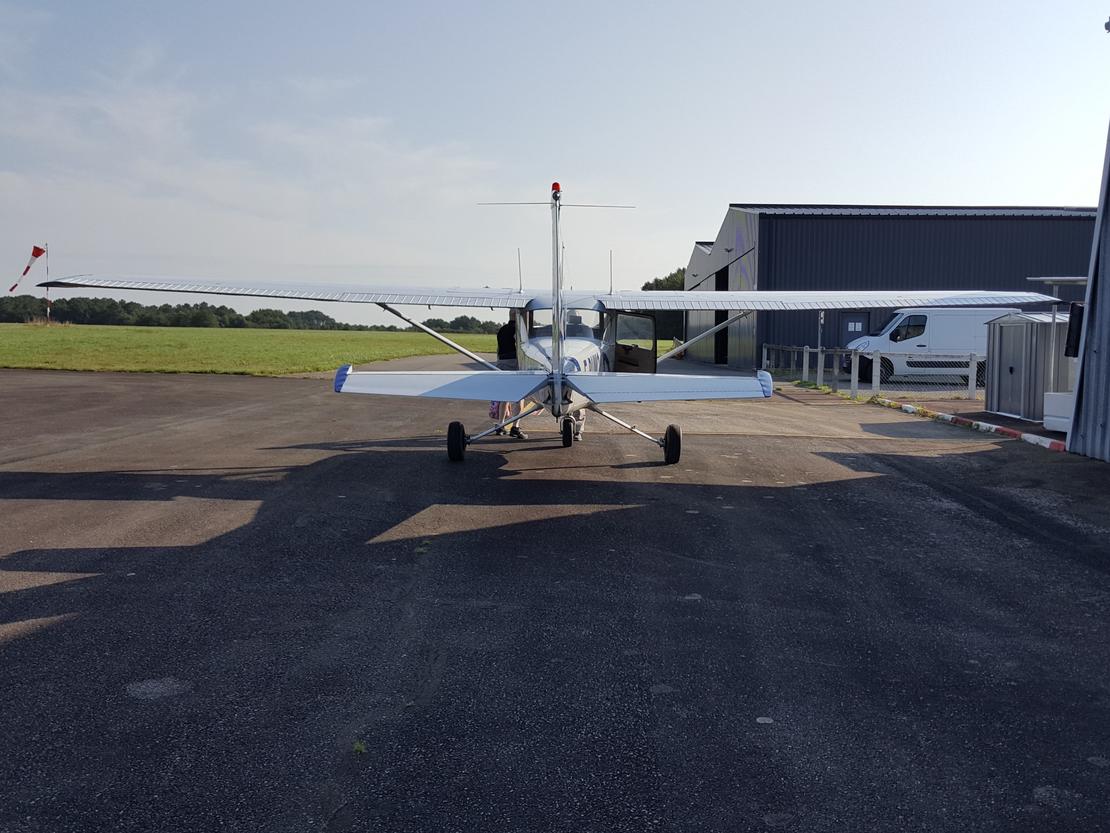
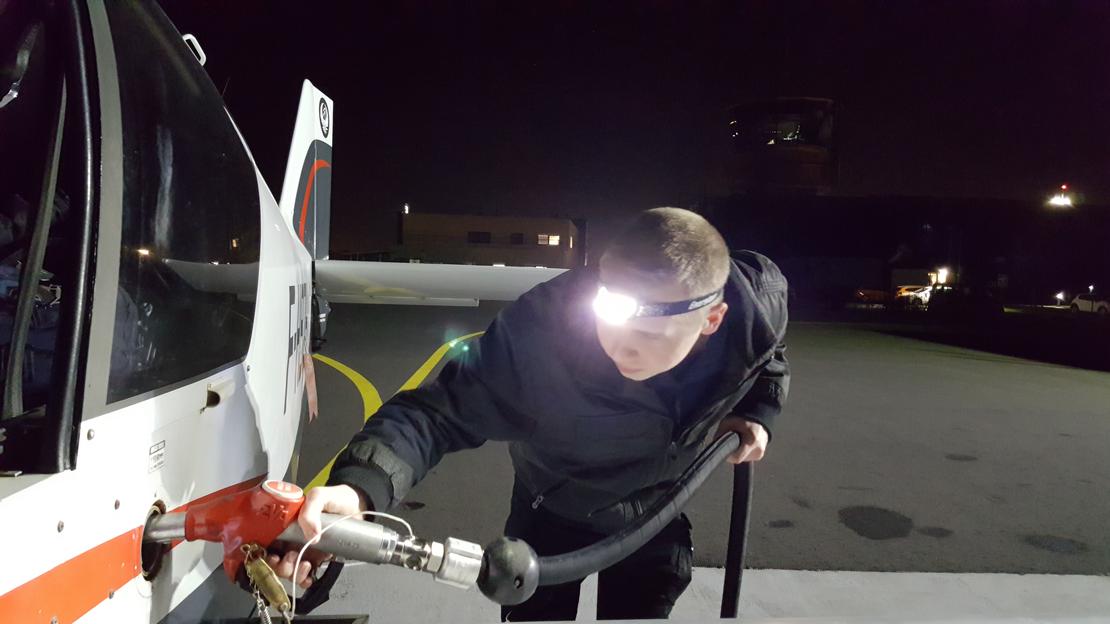
We started with a briefing in the instructor’s room, discussing the differences between daytime and nighttime VFR, including regulations and fuel requirements. We then went to the airplane at the parking area. With a flashlight in hand, we walked around the aircraft. After boarding, we ran through the pre-flight checklist. We checked the surroundings and started the engine, which rumbled to life with a steady hum. We radioed the tower, who gave us permission to taxi. Now, I just needed to find the yellow line of the taxiway with the taxi and landing lights on. Easier said than done, thankfully Michel was there to help me see clearly! 😁
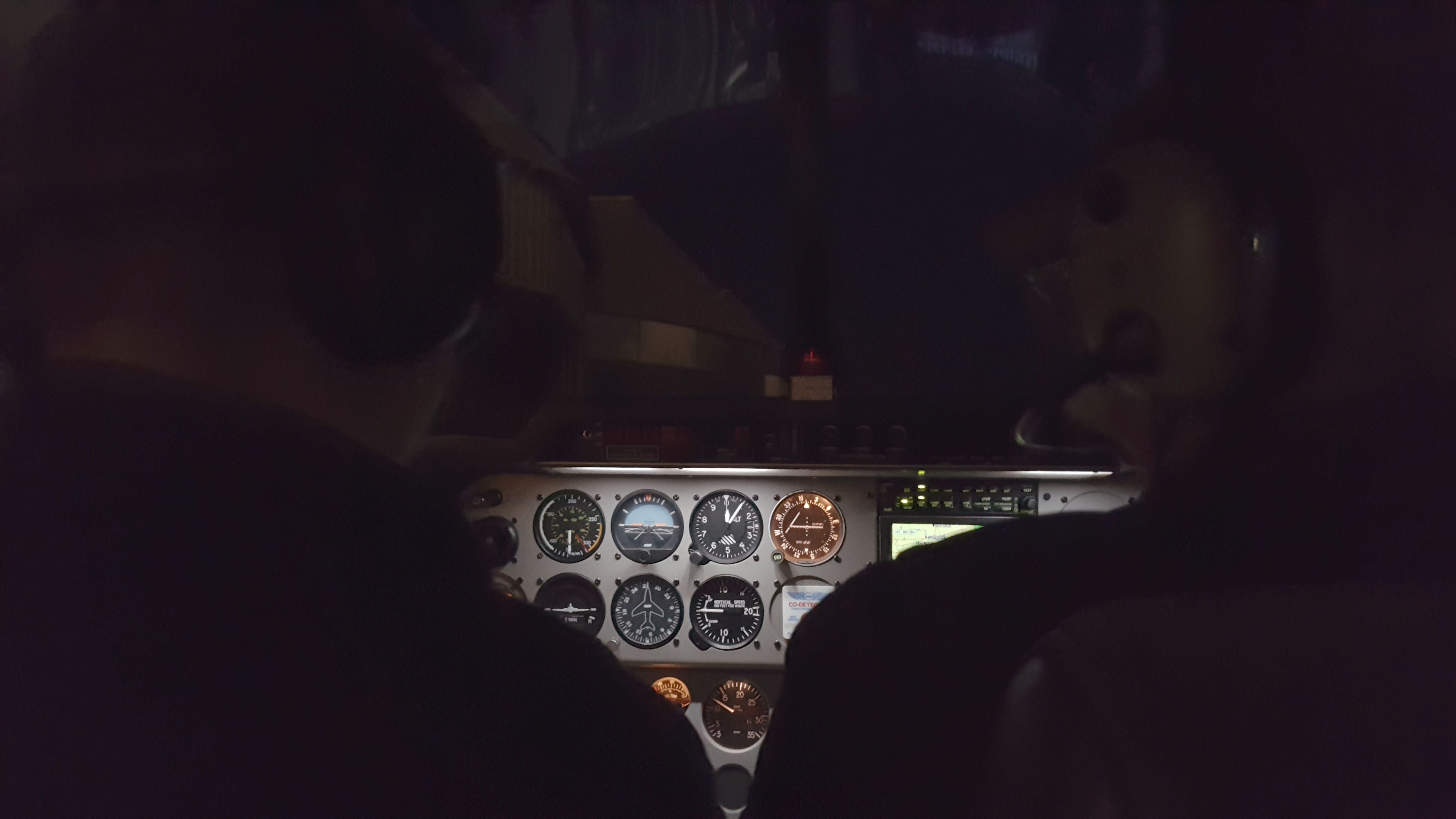
With the engine running smoothly, I announced that I was ready for takeoff. Aligned on runway 28, the tower gave me permission to take off. Full throttle, the airplane accelerated into the night. I focused on keeping the aircraft aligned with the runway, and at 100 km/h, I set a 8 degrees climb on the artificial horizon. I turned right to make a circuit around Rennes. I then performed some climbs and descents to get a feel for night flying. Michel then showed me all the VFR reporting points of the Rennes Control Zone (CTR).
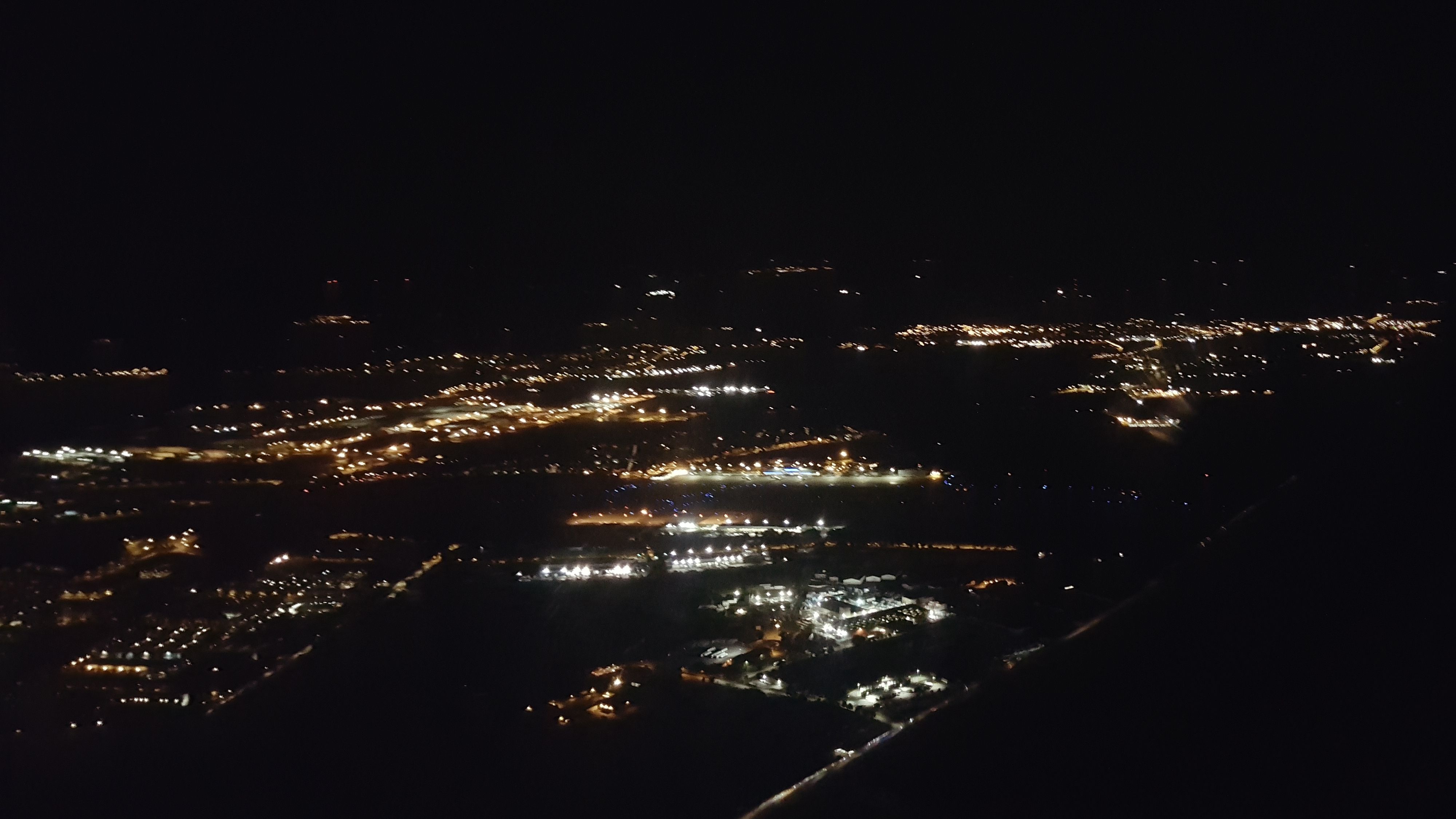
After about forty minutes, it was time to return to the airfield. Using the VOR radial, we headed towards the vertical of the runway, which was less illuminated than the city. I aligned myself with the runway, keeping it in sight. Because the circuit altitude was 1500 feet instead of 1100 feet, I needed to adjust my approach to maintain the 3-degree glide path for the final approach.
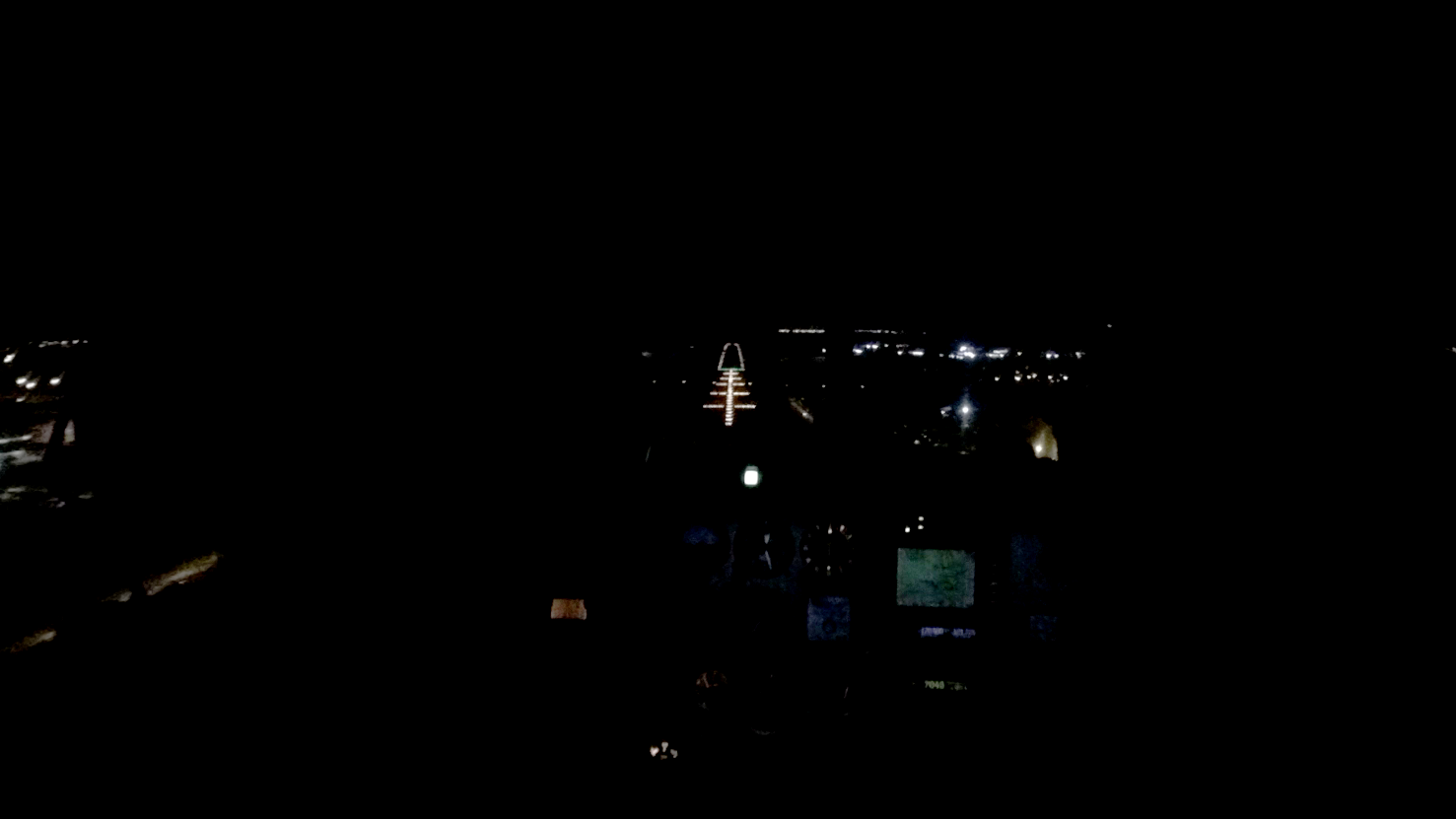
The last turn, and the brightly lit approach path of the runway appeared in front of us. Managing the descent path was more challenging than during the day due to the lack of visual references like the horizon. The runway lights passed under the aircraft, I reduced the throttle, and we started our descent. The landing gear touched down, and we were back on solid ground! We taxied to the parking area at the flying club and shut down the engine. This first introductory flight was fantastic, and I’m eagerly looking forward to the next one!