Night Flight: Stalls and More
- October 4, 2019
Autumn brings shorter days, which is a definite advantage for nighttime VFR flying, as it increases alertness. Tonight’s schedule includes slow flight, stall practice, and engine failure training. All this, seasoned with a 360-degree holding pattern and a return to the airfield using the VOR. Let’s get started on a new lesson!
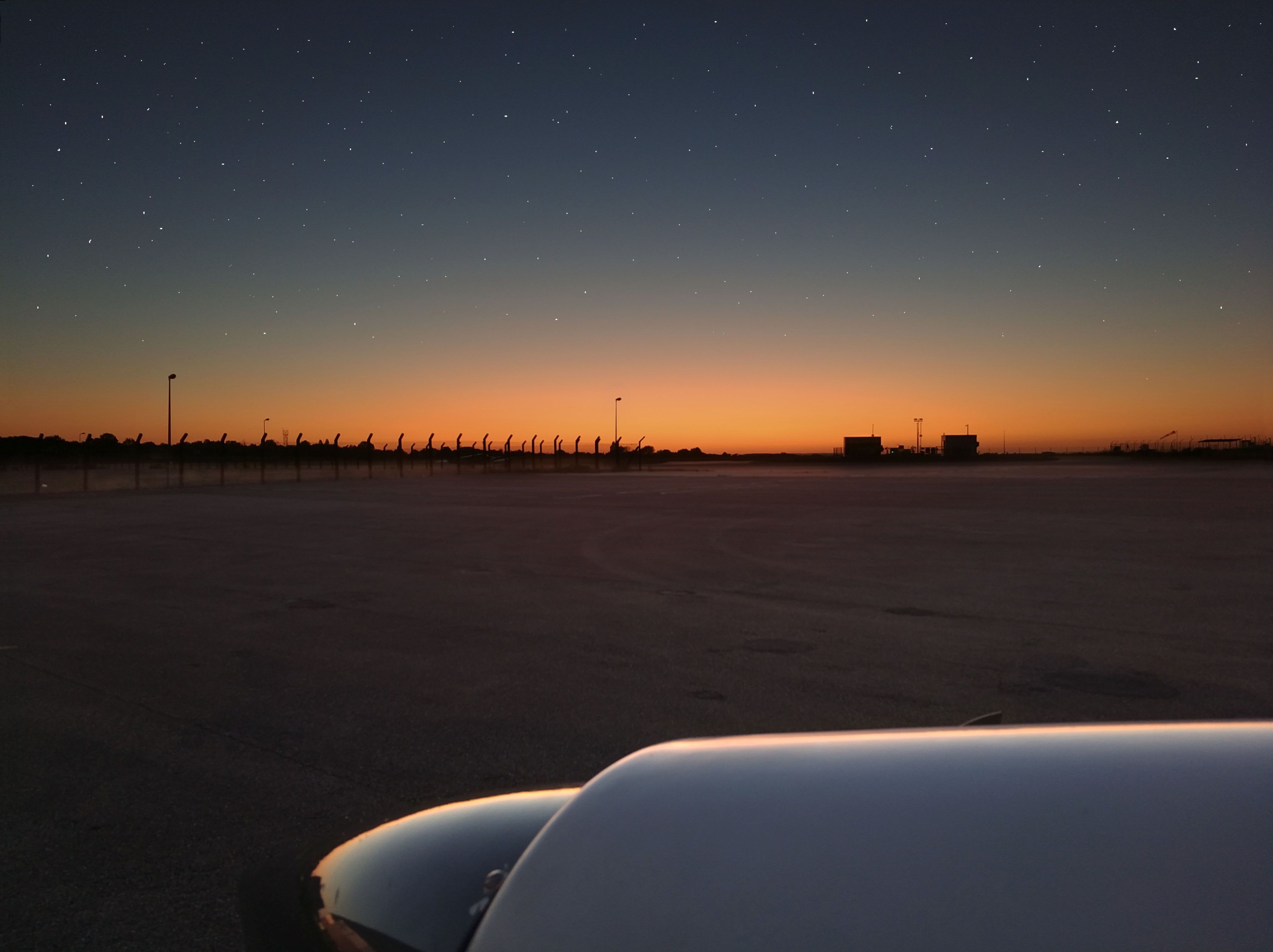
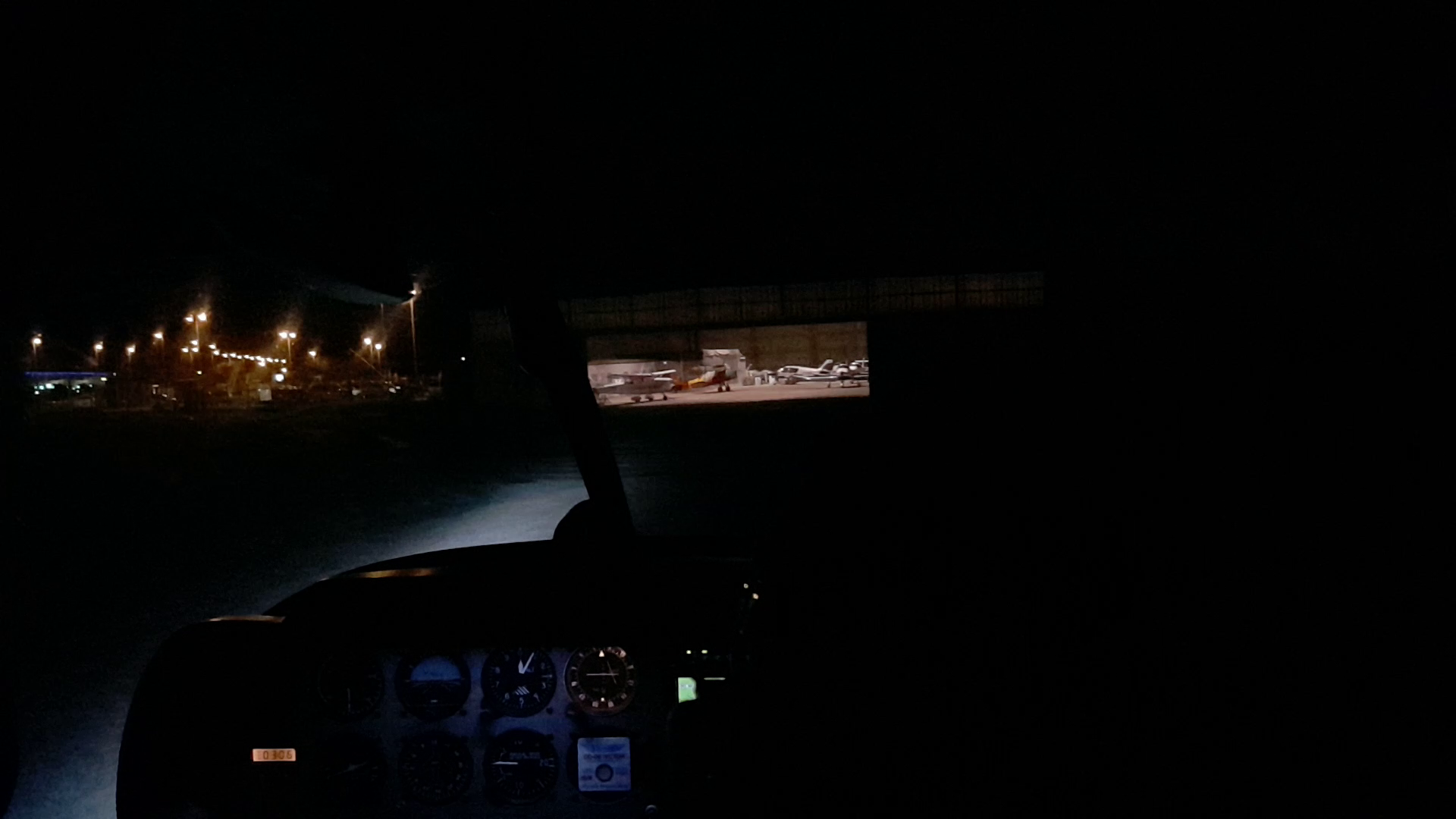
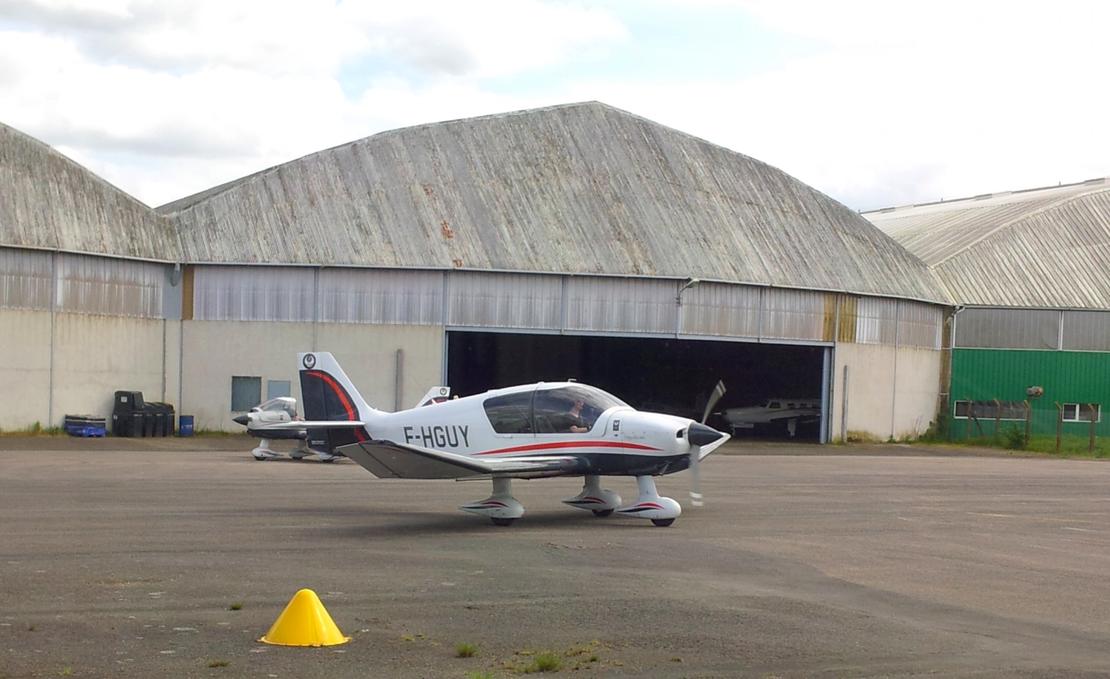
Since the 100LL fuel station at Rennes closes at 8:00 PM, I arrived early to refuel the DR400. I was assisted by another pilot who also wanted to obtain his night flying qualification. After refueling, I joined Michel, my instructor, in the briefing room. After the briefing, we went to the aircraft parking area. We performed the pre-flight inspection, boarded the aircraft, and started the engine. I copied the ATIS and then contacted the control tower for a takeoff from runway 28 and a local flight in the northern sector. With the engine checks completed successfully, I aligned myself with the center runway line. Full throttle and at 100 km/h, I achieved an angle of climb of 8 degrees. On the horizon, we could see the last traces of violet light from the twilight.
Once stabilized at 2500 feet, Michel asked me to perform a 360-degree holding pattern to the left. This is a turn that must last 2 minutes at a constant bank angle. I then repeated the exercise, but this time to the right. Both turns were within the time limit, except for the one to the right, which was a bit longer. We then moved on to slow flight, which is a speed of 30 km/h above the stall speed. We concluded the exercise with two stalls, one with flaps retracted and one with flaps extended. Michel then asked me to return to the airfield. I used the VOR to intercept the vertical path of the runway.
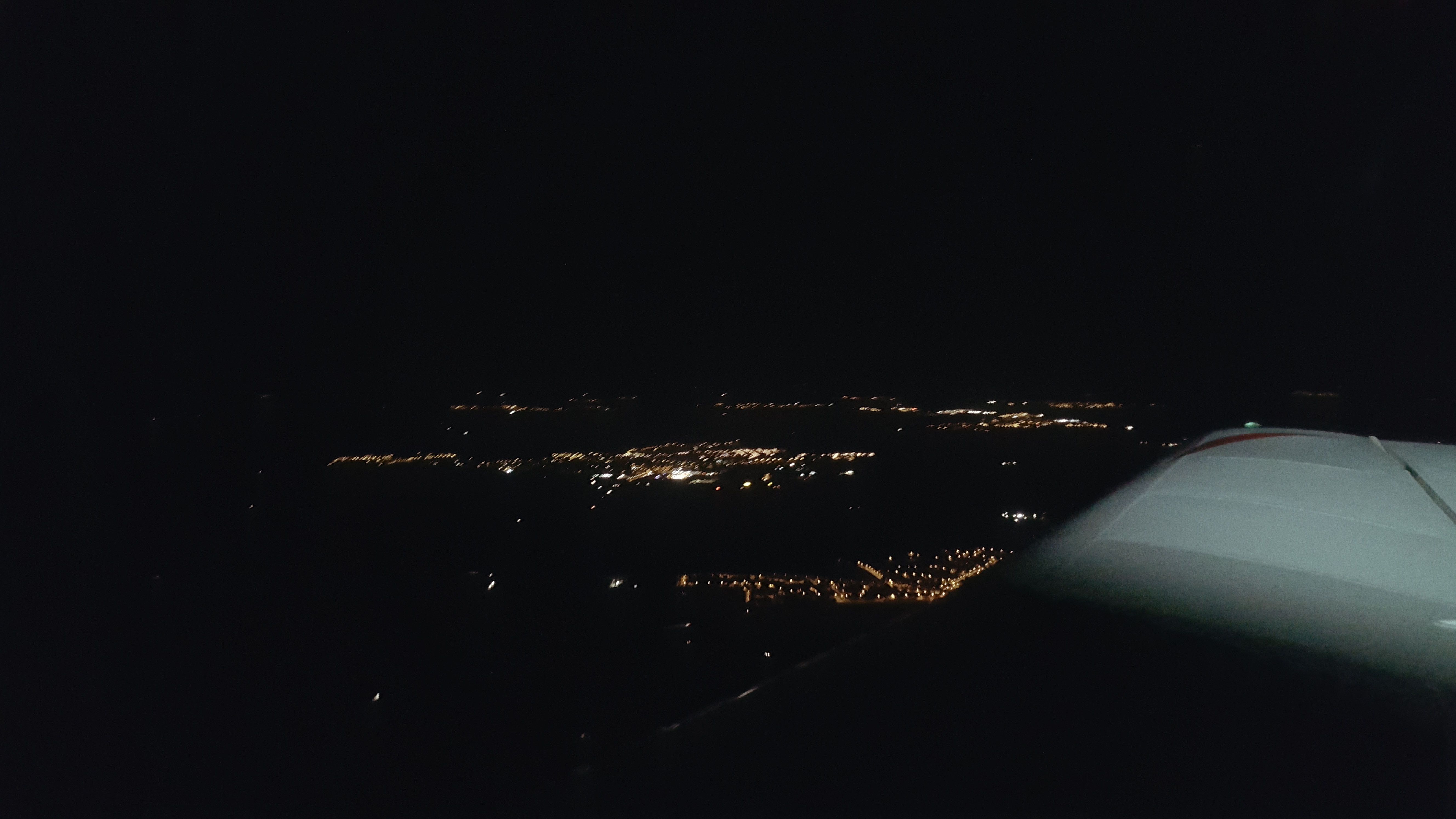
We simulated an engine failure above the runway. As an exercise, I quickly performed the “engine failure” checklist: fuel pump on, carburetor heat on “hot,” mixture on “rich,” fuel tank open, magnetos on “BOTH”… I then began the emergency procedure. The main difficulty is to not lose sight of the runway in the dark! I touched down at the beginning of the runway and then applied full throttle for a left-hand circuit. As an ATR was aligned for the ILS approach, the controller asked us to reduce our downwind leg to land ahead of it. I then began the descent to intercept the 3-degree glide path for the final approach. I landed, and vacated the runway by Delta. I taxied to the parking area and shut down the engine. Michel debriefed my flight, pointing out areas for improvement.
After 58 minutes of being a nocturnal bird, it was time to return to the nest!