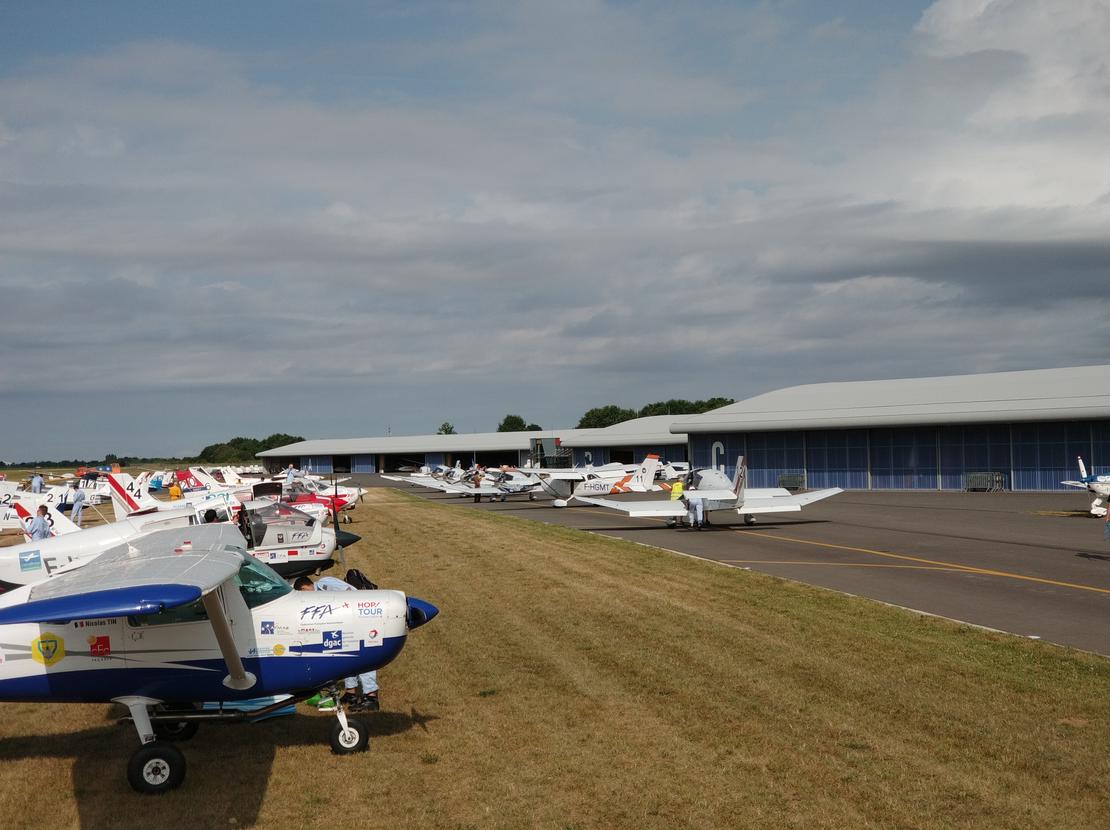
Flight to Laval
- May 15, 2019
This Wednesday, we are heading to Laval airport with the Cessna 172. The METAR forecasts are optimistic with CAVOK (Clear Air Visibility) conditions in Brittany, but also an easterly wind of 10 to 15 knots. This will add some excitement to the navigation and provide an opportunity to practice landings with a crosswind.
The weather report was studied, and turbulence is expected along the route. The wind at 2000 feet is forecast to be 25 knots from the East, which means our outbound flight will be slower than the return flight. A thorough pre-flight inspection, then settling into the cockpit. The 160 horsepower engine starts on the first try. I announce my intentions to the tower and taxi to the holding point D10. After successful engine checks, I align the aircraft on the runway, turning the yoke against the wind to help keeping the nose aligned with the runway heading.
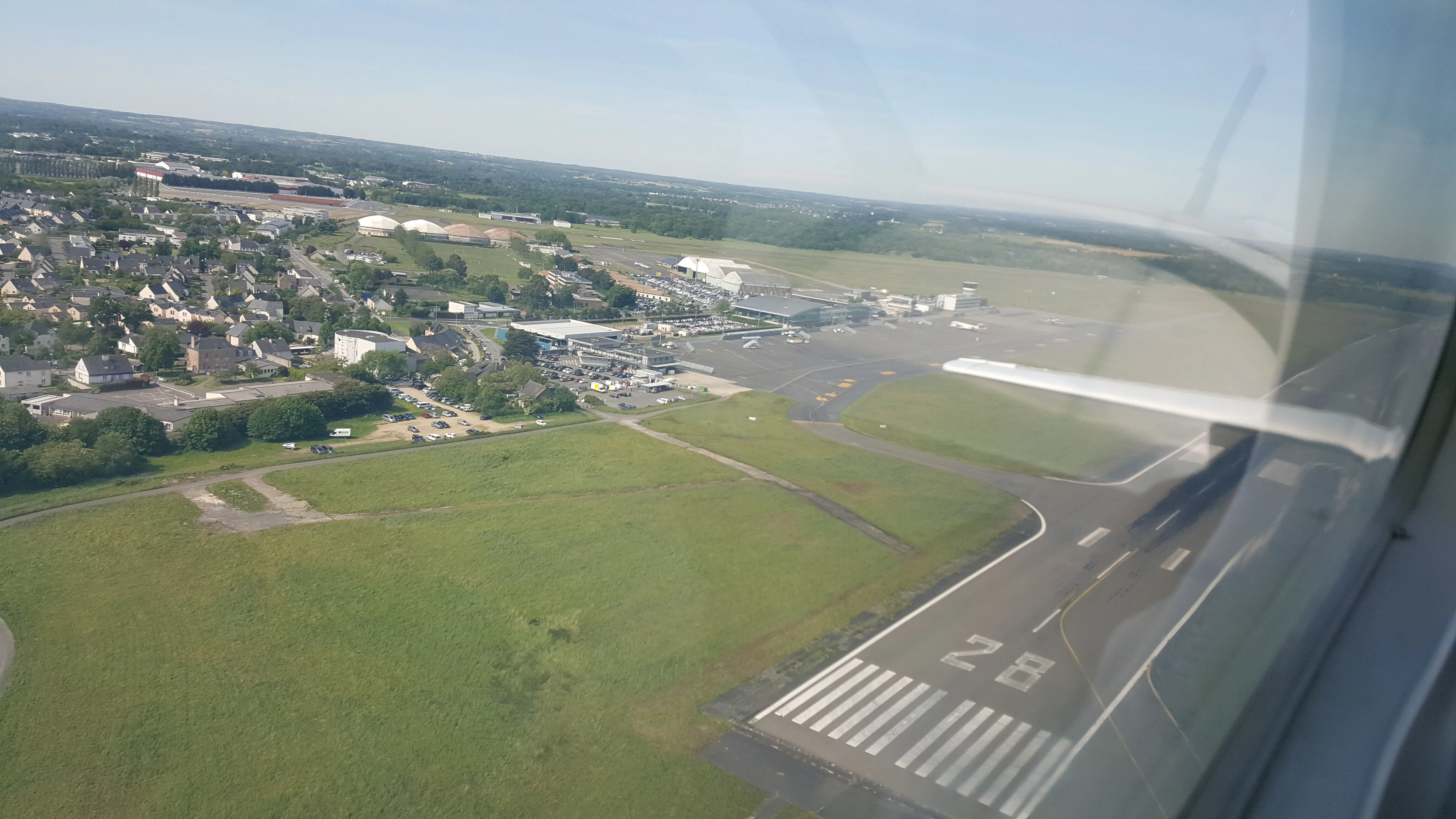
I let the aircraft accelerate slightly beyond its takeoff speed and make a firm climb. This helps prevent the aircraft from veering off the runway, as it has a tendency to align with the wind. The navigation is quite simple, as it only requires following a heading of 090°! Three minutes before reaching Laval’s vicinity, I contact the AFIS (Aerodrome Flight Information Service) officer. I receive the necessary information for the approach. It will be runway 14, and since there are no other aircraft in the area, I enter the traffic pattern directly in the downwind leg.
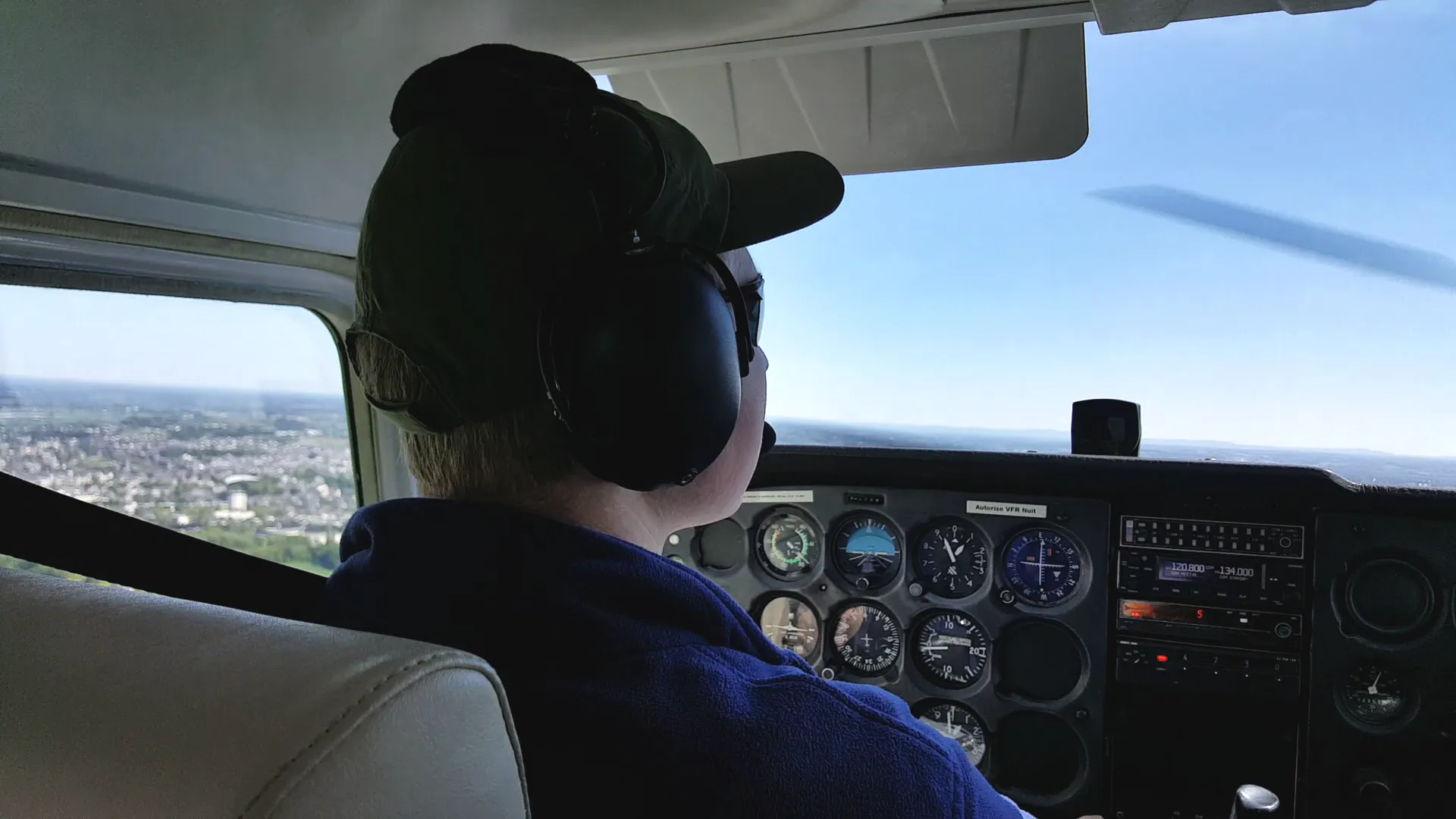
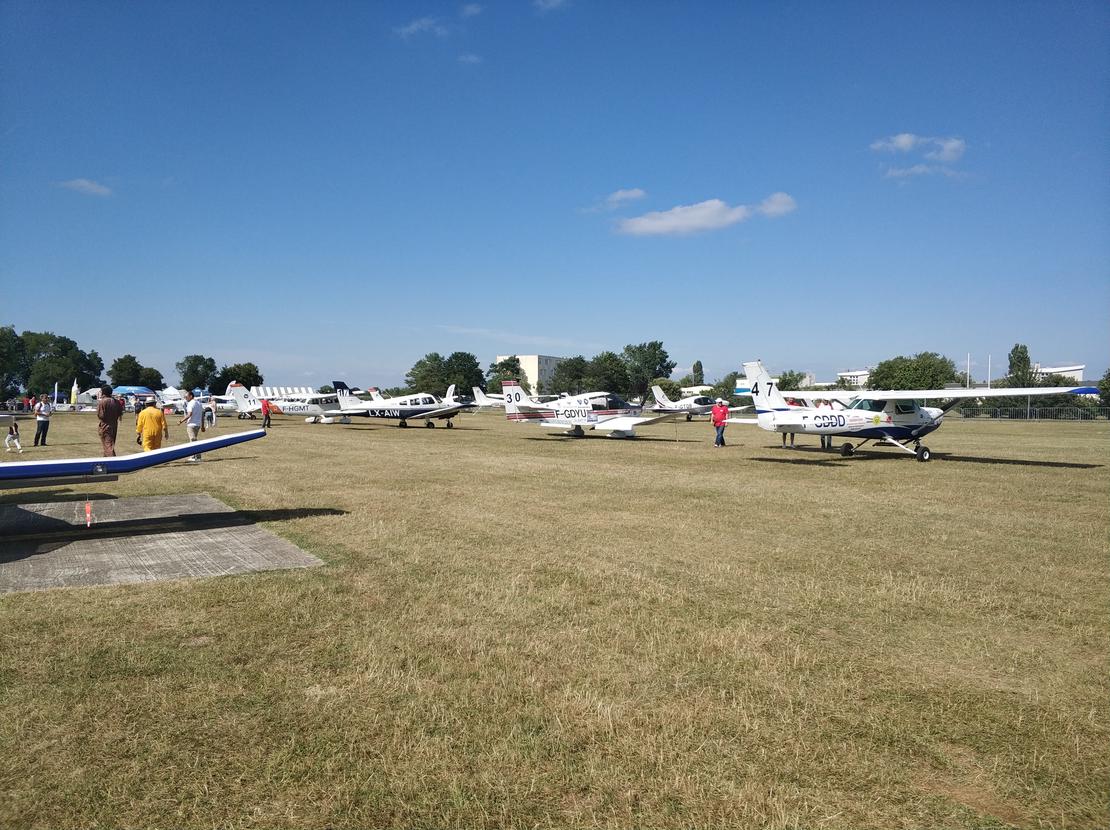
Next is the final approach with the nose of the aircraft into the wind. Now, it’s necessary to manage the landing precisely. You need to use the rudder to counteract the wind and keep the aircraft aligned with the runway. This maneuver, called “De-crab landing,” is more difficult in small aircraft than in larger ones due to their lower inertia. Maintaining the correct airspeed, I flare and land, then taxi to parking spot E3. It’s time for lunch at the restaurant, located just 1 km from the airport.
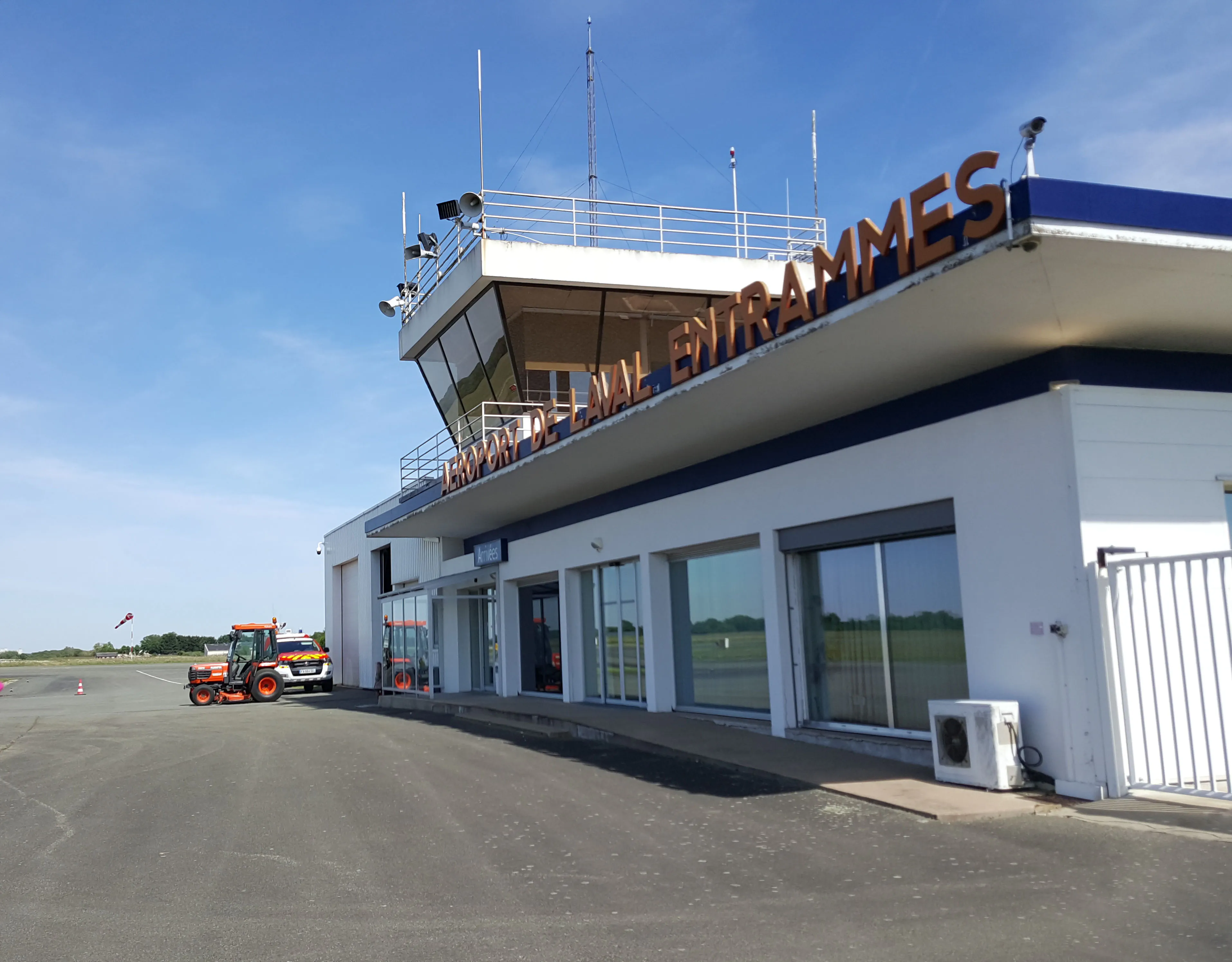
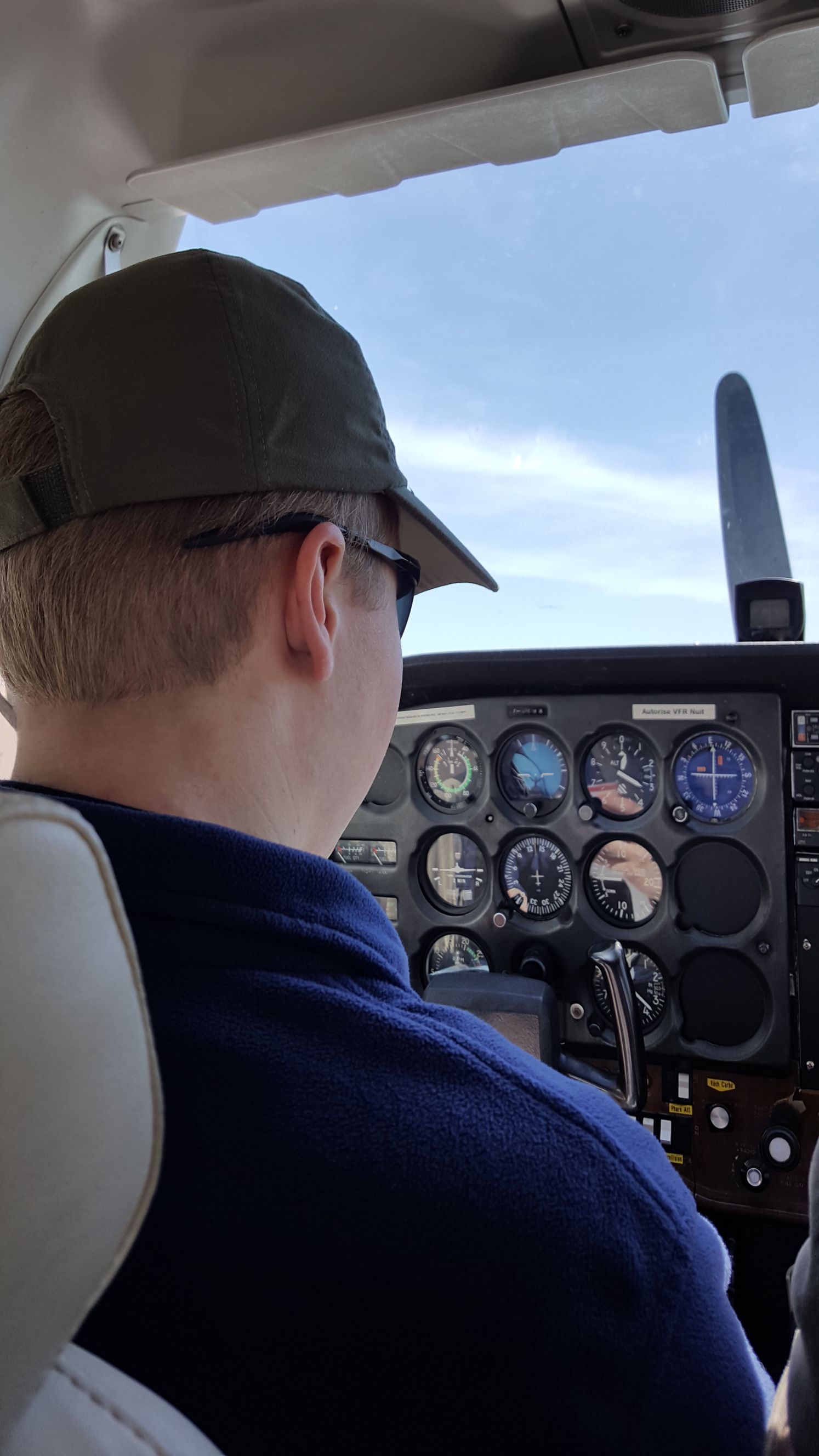
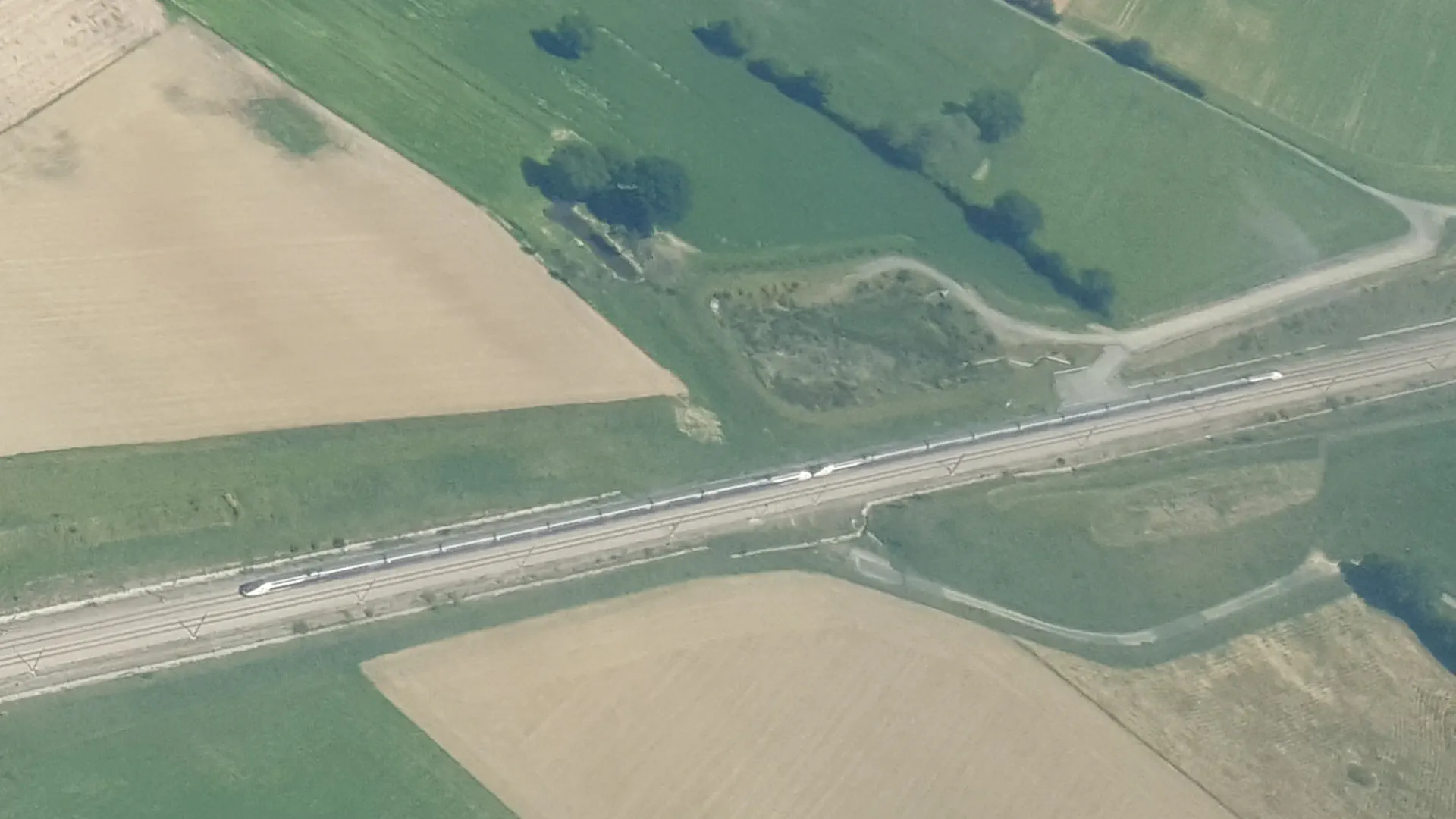
After enjoying a veal roast with mushroom sauce, we return to the tarmac. A member of the airport staff provides access to the runway. It’s much easier to exit than to enter the airport terminals, including for pilots! I walk around the aircraft and then get in. I start the engine and let it warm up. Since the AFIS service is closed until 2:00 PM, I use the radio in self-annunciation mode. Takeoff from runway 14, and this time, heading directly west. On the return flight, we pass the Paris-Rennes high-speed train (TGV). With its speed of 300 km/h, it slowly moves away. And yes, we’re only flying at 210 km/h!
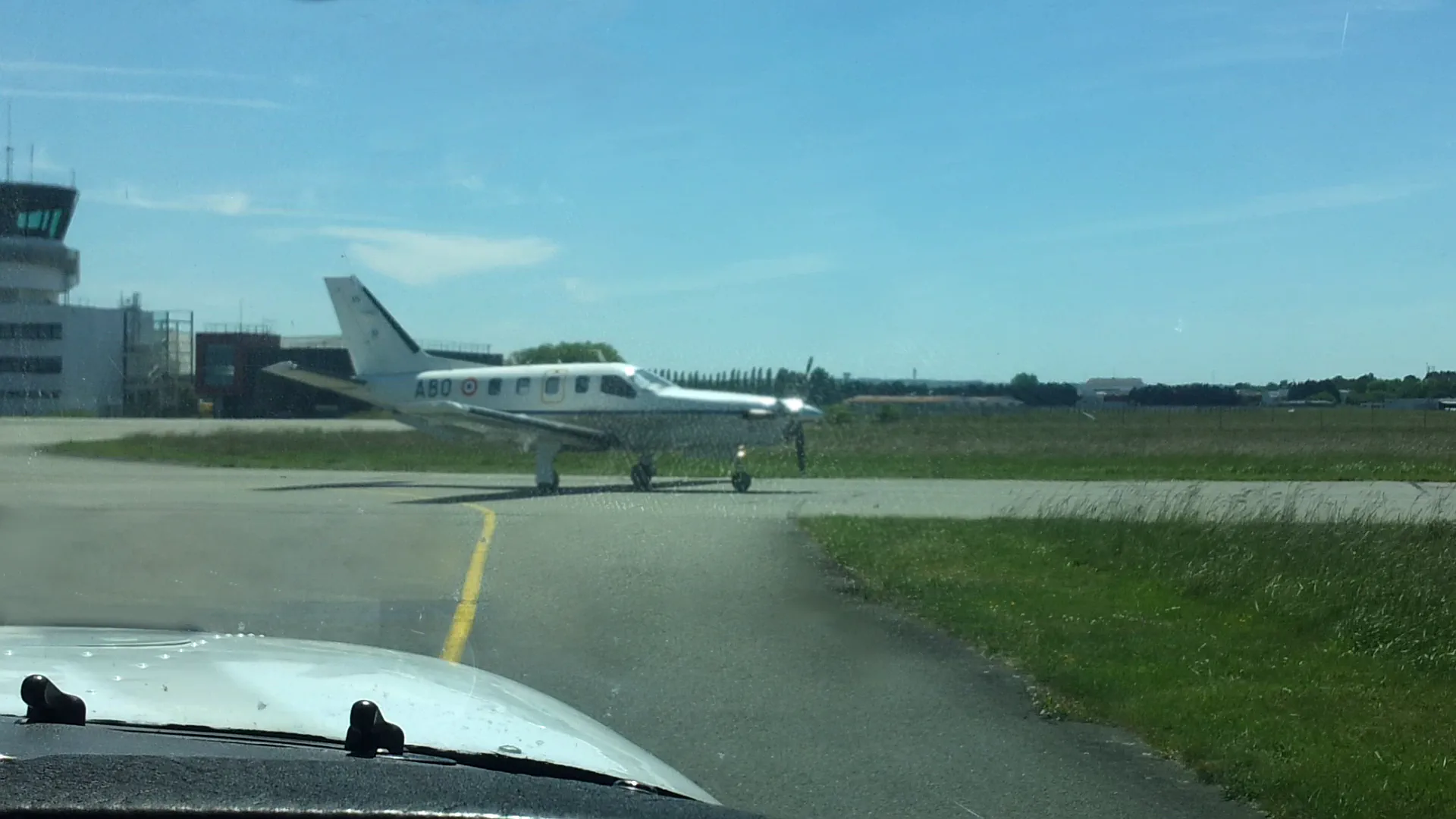
Approach to runway 10 at Rennes. Final approach and landing with a bit of crosswind. After exiting via Charlie, the controller asks me to stop to let the ALAT (Army Light Aviation) TBM 700 pass. I then taxi to the ACRIV parking area. In total, 1 hour and 17 minutes of flight for a planned 1 hour and 20 minutes, thanks to the wind.