Pre-Flight Check
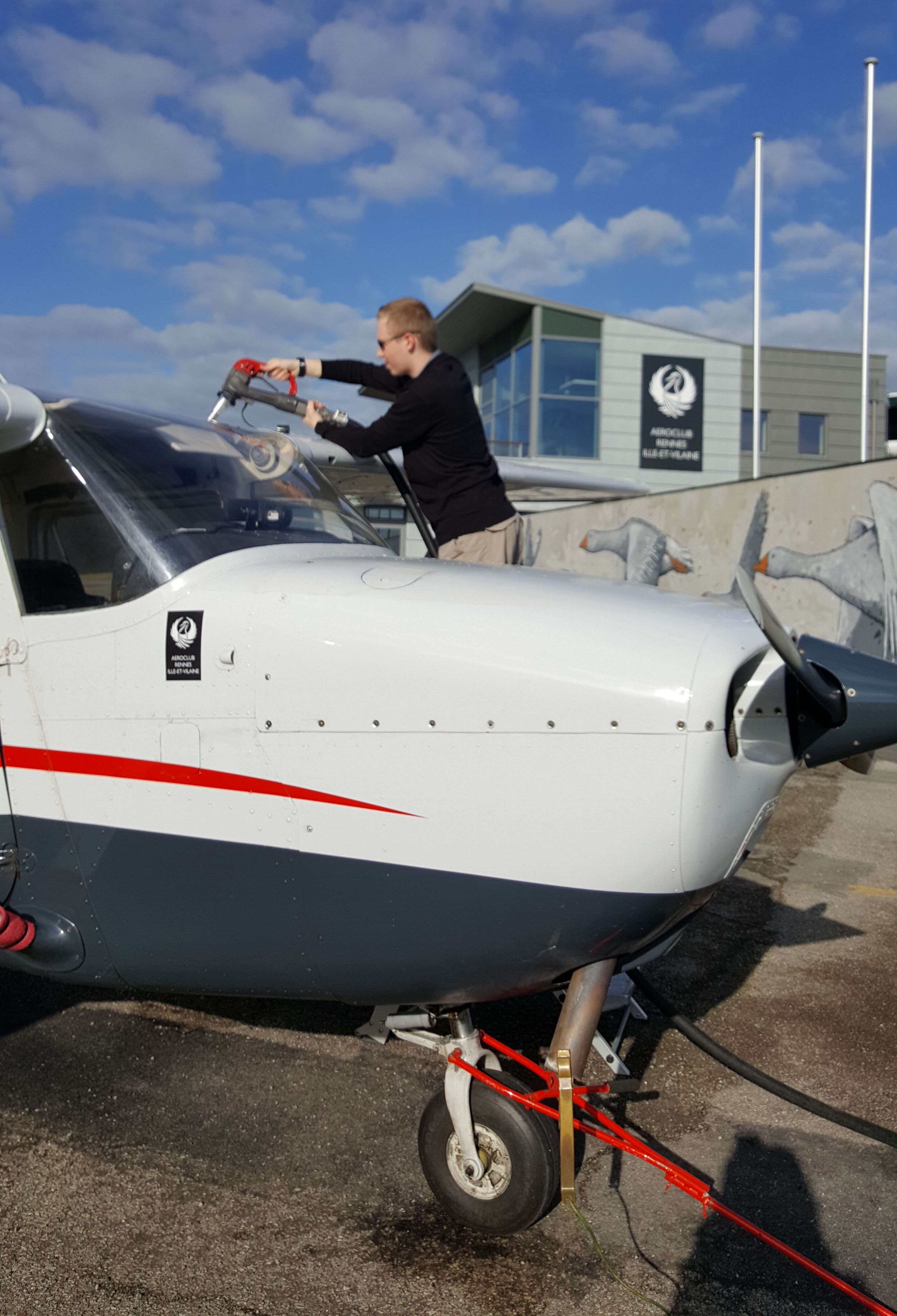
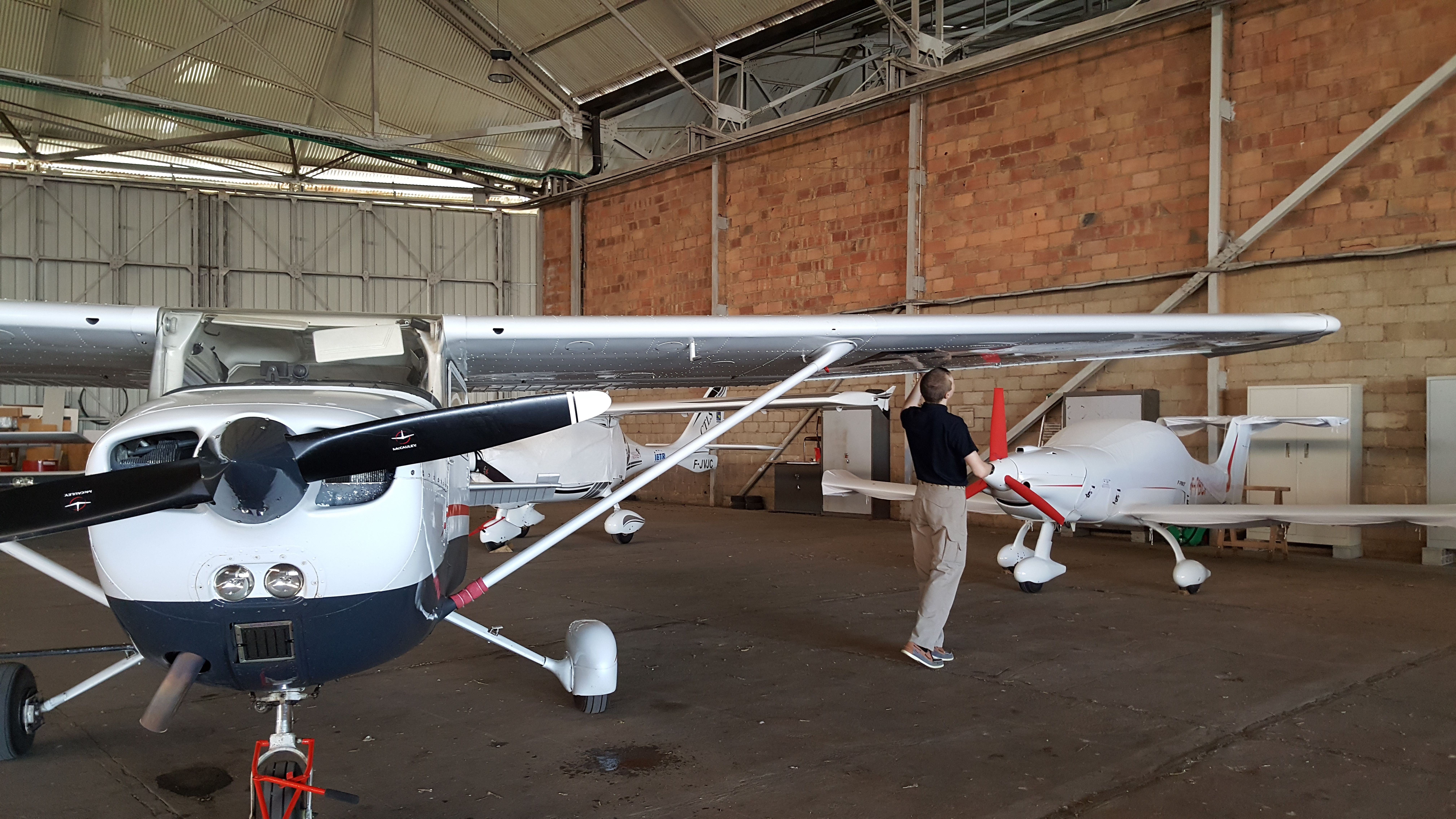
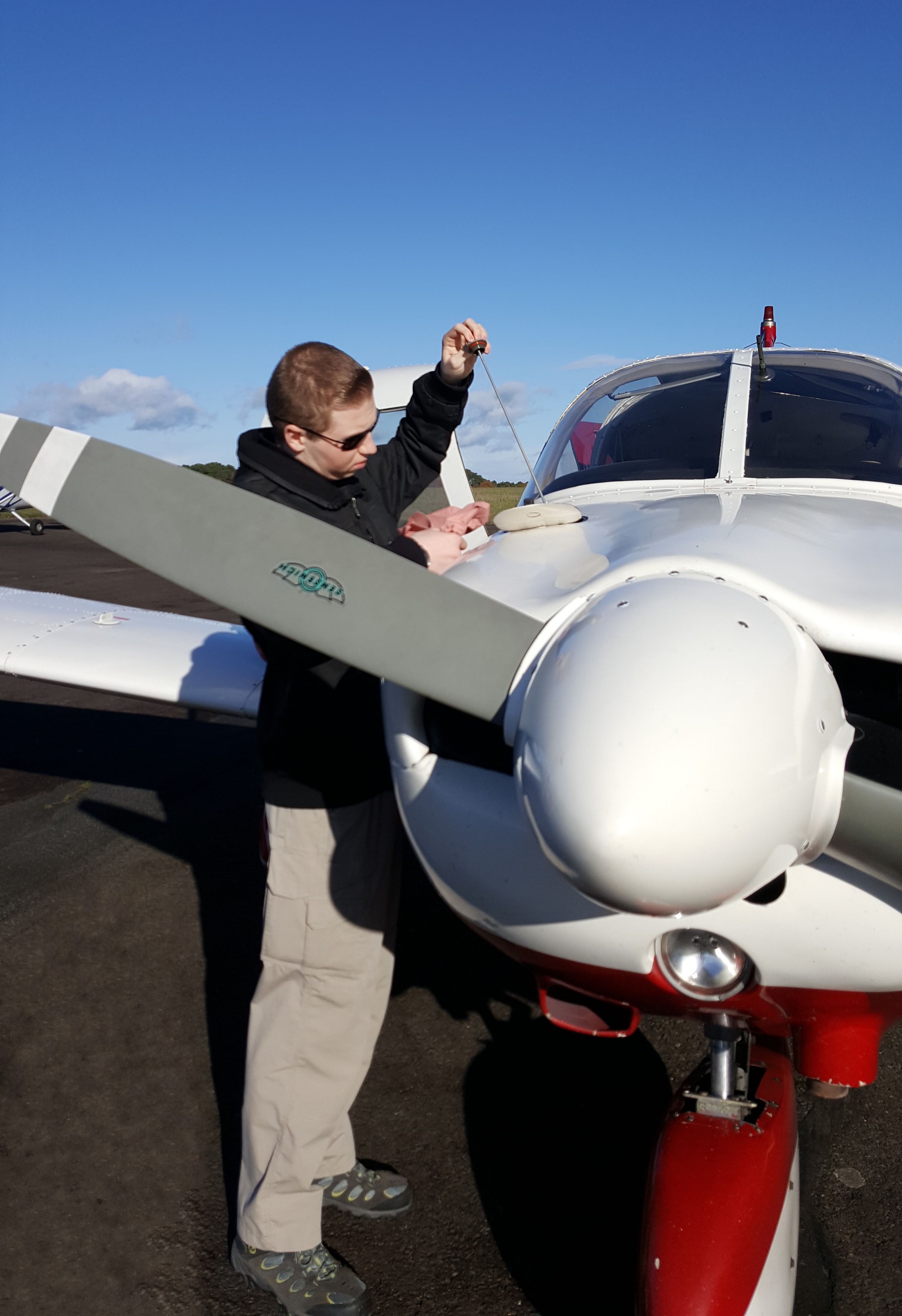
The pre-flight check must be performed by the pilot in command before every flight. Its purpose is to verify the proper functioning of various aircraft components.
Externally, the following are checked:
- Control surfaces (ailerons, elevators, and rudder)
- High-lift devices (flaps on the wings)
- The overall condition of the fuselage and wings
- The presence of locking pins and safety wires on nuts
- The engine cowl fasteners
- The propeller and engine air intake
- Absence of impurities and condensation water through a fuel purge to remove them.
- Oil level
- Electrical equipment (navigation lights, anti-collision lights, landing light)
- Clear access to dynamic and static air inlets (Pitot tube)
- Stall warning system
- Any suspicious signs originating from the engine, wheels, and fuel tank.
Internally, the following are checked:
- The instrument panel
- The control stick or yoke (removal of any locking mechanism)
- The floor and baggage compartments (absence of objects)
- Overall condition (seats, seatbelts, windows)
- Presence of navigation equipment and required documents.
This helps to minimize the risk of malfunction and increases flight safety. Furthermore, it provides peace of mind!